CMW dobro došli na forum. Drago mi je da ste posle dužeg vremena sa nama.
Hvala za dobrodošlicu! Svakako me dugo nije bilo.
Što se tiče priručnika, nisam časovničar i ne mogu da komentarišem priručnik BHI.To ostavljam drugima.
U Vama ne vidim nikakvu krivicu.
This document has been drawn up with the full support of the Examinations Board of the BHI to provide guidance for both students and professionals.
Interesantna je činjenica da se BHI kao i njegov američki pandam AWCI, često 'kurva' sa švajcarskim proizvođačima zbog obilnih priloga koje ovi redovno isplaćuju. Nažalost sve se to dešava sa primarnom namenom opravdavanja restrikcije u snabdevanju rezervnih delova nezavisnim časovničarima.
Ukoliko imate zamerke na njhov priručnik dopunite ga fotografijama i pratećim tekstom a na zadovoljstvo onih kojima će koristiti.
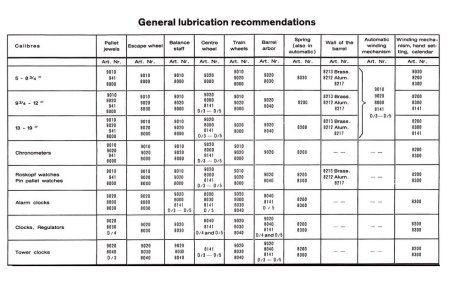
U ovom trenutku mogu samo da Vam predstavim citat iz teksta švajcarskog proizvođača lubrikanata Moebius. Inače, da bih Vam mogao opisati sve to što nedostaje u "uputstvu" BHI verovatno bih mogao napisati nekoliko tomova.

U svakom slučaju mogu povremeno dodati nekoliko rečenica i objašnjenja, tako da ova tema ne zamre, smatram da je jako važna, kako za časovničare, tako i za one koji tek počinju. Možda se i odluče da pođu tom stazom i učine da časovničarstvo postane njihova profesija. Upravo te iste restrikcije koje švajcarci uvode poslednjih par decenija mogu dovesti do revitalizacije časovničarstva, pošto će sve više biti potrebe za izradom delova za časovnike.
Meni je šezdeset četiri, a nemam kome da prenesem moje znanje i iskustvo. Deo toga polako prilažem na mom sajtu posvećenom horologiji.
S poštovanjem CMW
"
Cleaning
Meticulous cleaning of the watches is one of the foremost prerequisites to obtain the best effect of the lubricant. This fact must be kept in mind each time when these two fields and their connected spheres are involved.
If they are disregarded, extensive and costly complaints will often result, and the origin of the problems is not always apparent.
Sometimes seeming economic advantages lead to neglect in this respect although in many cases no savings but, on the contrary, higher expenses will result.
Watches are soiled mainly by oils and grease in a state anywhere from liquid to completely gummed up, by solid particles from wear of friction points, peeled-off lacquer or glues, polishing agents, dust particles of different sizes, textil fibres, threads of plastic parts, by corrosion products such as rust, verdigris, etc. as well as by residues from galvanic baths.
While the manufacturer of watches rarely encounters several of these impurities at once, the repairing watch-maker often faces the problem of how to remove gummed-up oil from the bearings and stains unknown to him from the plates at the same time in one economical process.
When using the detergents and rinsing agents commonly offered on the market the watch-maker may expect that most of the impurities and stains will be dissolved and rinsed off, especially if implements are used which enhance the cleaning process mechanically (revolving, vibration, ultrasonic, vacuum). It is his responsibility, however, to control the degree of impurities of the baths and to see to it that the last rinsing bath — three should be used at all events — is renewed in due time. Unless this bath is really clean, it will leave invisible or even visible films on the surfaces of the cleaned parts. Such films may affect the oil applied later on in two respects, viz. increase its tendency to spread, and alter it chemically. Either of these events will have a detrimental influence on the most important function of the oil in the boundary lubrication: to form a firmly adhering film on the friction partners.
This clearly demonstrates the close interrelation between cleaning and lubrication. It is of utmost importance because its effects may influence the performance of the watch."